Category: Cocktail Recipes

  • Baileys the B Corp: Real Progress, Real Limits

    Baileys the B Corp: Real Progress, Real Limits

    Baileys Original Irish Cream is the liqueur most people picture when they hear the word liqueur: Irish whiskey, chocolate powder and dairy cream blended into a smooth, sweet drink that comes in at 17% ABV. It first appeared in 1974 and is now the best-selling liqueur in the world.

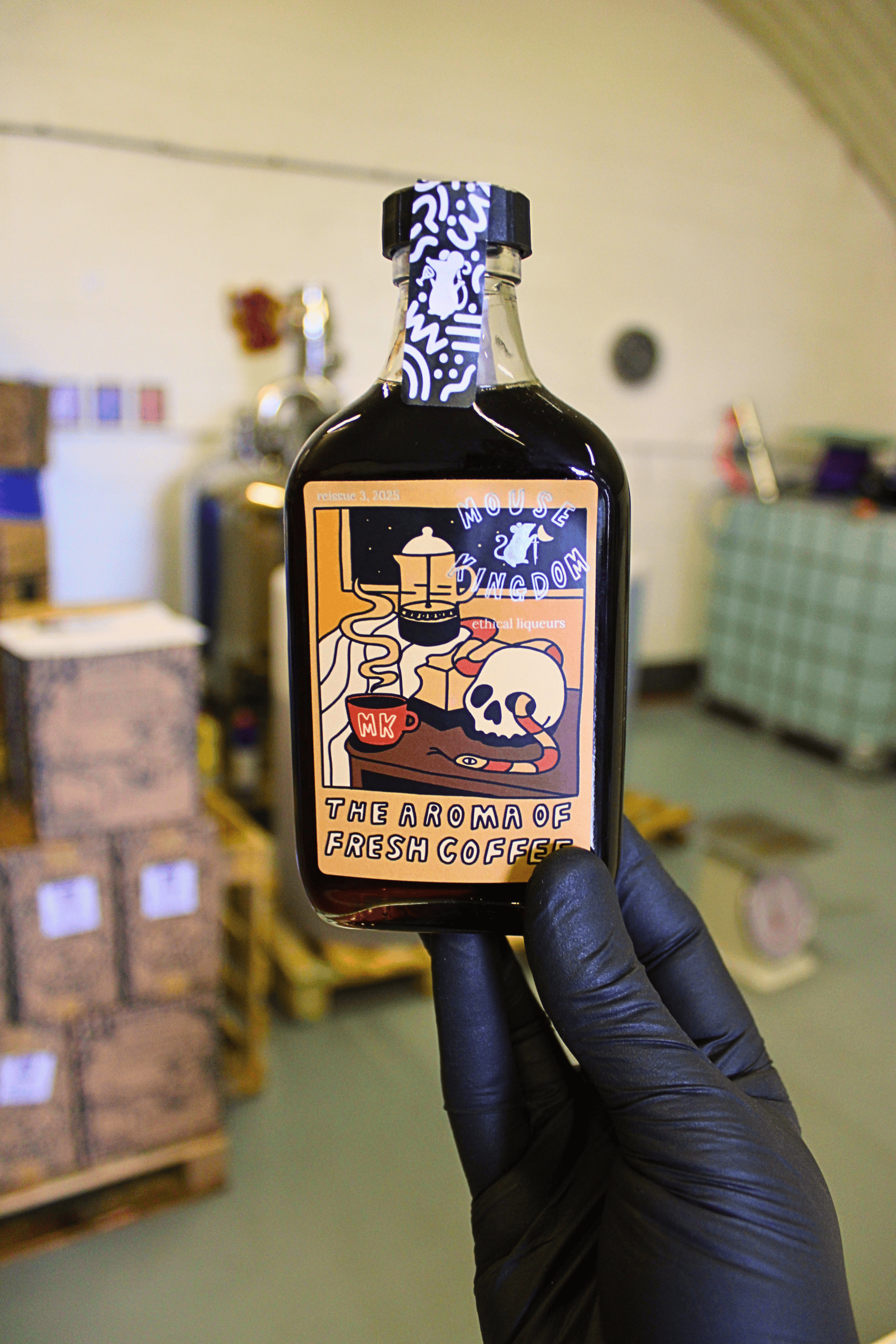
    For a Baby Guiness twist, try Manchester’s Mouse Kingdom, whose coffee liqueur is made from beans roasted locally at Heart and Graft, with cafetiere ground coffee brewed over 48 hours and blended with English wheat vodka.

    To make one, fill a shot glass about two-thirds full with MK coffee liqueur, then gently float Baileys on top over the back of a spoon so it forms the head.

    Shop Mouse Kingdom Coffee Liqueur

    It’s a small, independent brand next to a global giant, which makes it a fitting starting point for a post about what “good business” means at very different scales.

    thethreedrinkers

    thewhiskyexchange

    A Good Liqueur, But How Good is the Business behind it?

    Baileys is a certified B Corporation. It first earned the badge in October 2022 and has since recertified, with a 13 point uplift and a score of 95.5. That’s a result for the world’s best selling liqueur.

    It’s also worth asking what the badge can and can’t tell us about a business of Baileys’ size, especially when diageo is making decisions that don’t follow the same values.

    What the score shows

    B Corp certification assesses a company across five areas:

    Governance, Workers, Community, Environment and Customers.

    Baileys publishes its breakdown. Workers is the strongest at 31.4, followed by environment at 26.6 and community at 21. Governance scored 11.7 out of 20, and customers came in lowest at 4.6.

    The governance change is important. Baileys says it amended its legally binding Company Constitution to prioritise people and the planet alongside profit. That’s a structural commitment, not a slogan.

    Their environmental work is substantive. The brand says it has run on 100% renewable electricity since 2008 and aims for fully recyclable, reusable or compostable packaging by 2030.

    The most meaningful part is the farm-level work with Tirlán, baileys farmer-owned dairy supplier, including the Sustainable Cream Initiative and the Sustainable Farming Academy. Dairy is where much of Baileys’ footprint sits, so that’s where effort counts.

    The bigger question

    Baileys doesn’t operate alone. It sits within Diageo, and recent news from the parent tells a story…

    Diageo has removed responsible drinking and sustainability targets from the measures that determine long-term rewards for its management, and these previously made up 20% of senior executives’ long-term bonuses.

    “The number of performance measures in the long-term plan is being cut from eight to three. The three that remain are earnings per share, cumulative cash flow and adjusted return on invested capital.”

    This comes as new chief executive Sir Dave Lewis has begun a major restructure, with Diageo shedding nearly 2,000 employees in the past financial year.

    It’s only fair to give Diageo’s side.

    The chair has said that Spirit of Progress is no longer part of the long-term incentive plan, but the work done in recent years has embedded its priorities more deeply in the business and will remain a focus for the board.

    The company also says the board will continue to set targets, monitor performance and report against all areas of ESG.

    There’s a respectable argument that incentives are a blunt tool, and that once sustainability is part of how a business operates it no longer needs a bonus attached. Diageo also isn’t alone in stepping back from ESG-linked pay, which reflects a wider mood in corporate life, sadly.

    What a company pays its leaders to achieve is one of the clearest signals of what it really prioritises.

    Taking sustainability and responsible drinking out of that equation shifts them from binding targets to things the board could do, but probably wont. Probably.

    Where the badge runs out

    A B Corp score measures how well a company does relative to a framework of good practice.

    It doesn’t measure whether the underlying model is sustainable in an absolute sense, and those are different questions.

    What this means for the definition of B Corp

    None of this means the people at Baileys aren’t trying, and much of what they’ve built is real.

    B Corp certification only means something if it stays hard to earn and hard to keep, and if consumers can trust that the logo signals a fundamentally different way of doing business.

    When a brand at the heart of a global drinks conglomerate carries the logo, while its parent strips sustainability from executive pay and pursues cost-cutting under financial pressure, many humans will ask what the badge is really certifying.

    Some will decide it measures a company’s ability to score well on a questionnaire rather than its willingness to put its principles ahead of profit.

    Once a badge is worn by everyone, it stops distinguishing anyone, and the B Corp movement should worry about that more than it worries about Baileys.

  • Back by Popular Demand: Mouse Kingdom’s Wild Garlic Liqueur Returns for Winter 2026

    Back by Popular Demand: Mouse Kingdom’s Wild Garlic Liqueur Returns for Winter 2026

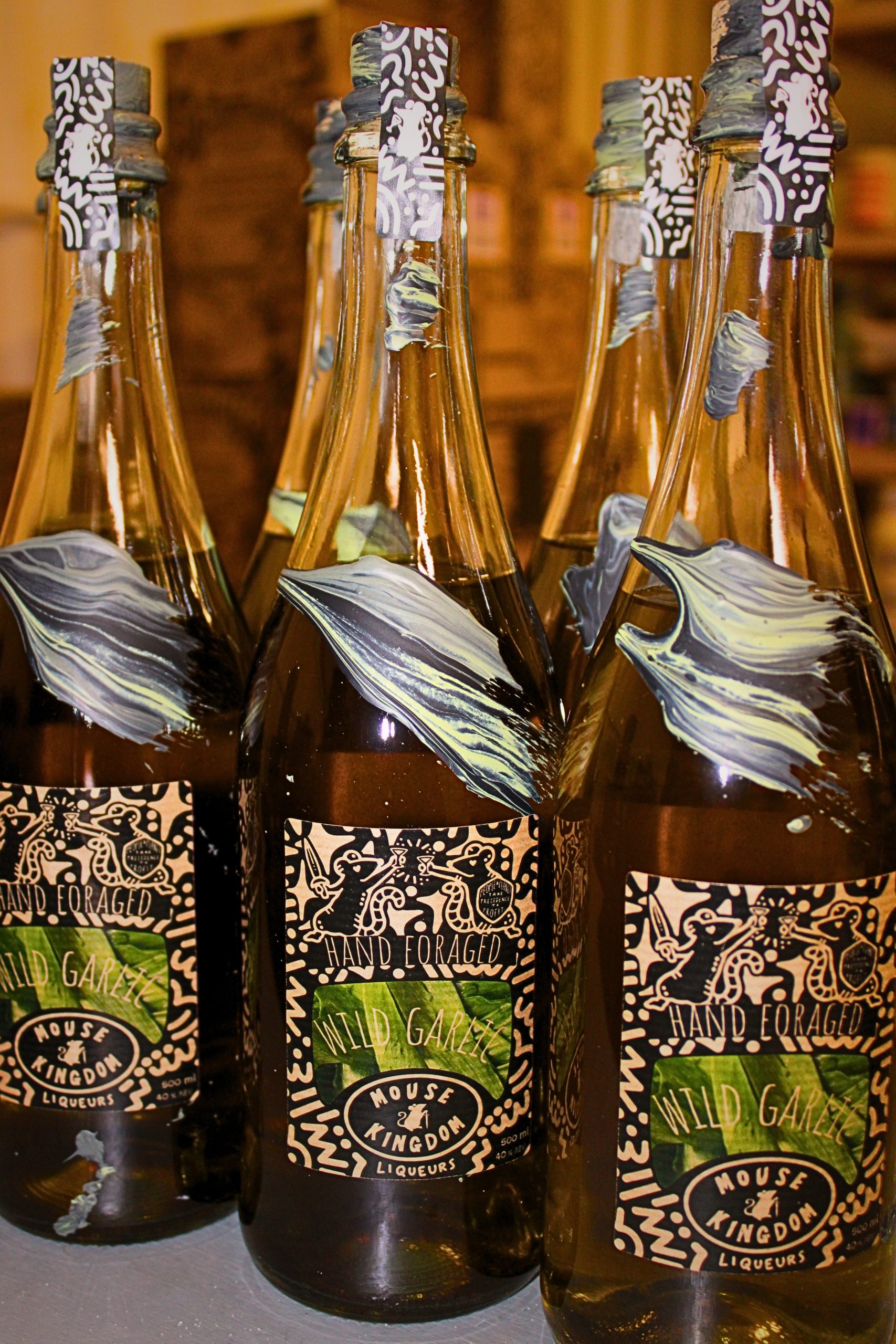
    Every spring, for one short window, the woodlands around Manchester turn white and pungent with ramsons, wild garlic, Allium ursinum. Carpeting the forest floor before the tree canopy closes in and the season disappears as fast as it arrived. It’s one of the UK’s shortest, most-anticipated foraging windows, and it’s exactly why Mouse Kingdom’s Wild Garlic Liqueur only ever gets one small run a year.

    Last year’s release sold out in exactly 7 days, and it’s easy to see why: an entirely savoury, green, authentic and unique liqueur. This year, the recipe returns with the same seasonal ethos, but another chapter in the Mouse Kingdom story.

    The story so far

    Mouse Kingdom has never been a brand that plays it safe. Since 2022, the Manchester-based liqueur maker — founded by veterans of The Alchemist bar group — has built a reputation on flavour-first liqueurs made with real, named ingredients (no small feat in a category where UK law doesn’t even require it), storybook packaging illustrated by human hands, and small, collectible print runs that sell out and never get repeated in quite the same way twice.

    Wild Garlic was one of the boldest moves yet: a savoury liqueur in a category dominated by sugar and berries. It proved that Mouse Kingdom’s audience wanted more than sweetness, they wanted something with a sense of place and season.

    What to expect this year

    • Base spirit: UK-grown winter wheat vodka, in keeping with the rest of the Mouse Kingdom range
    • Key ingredient: Foraged wild garlic (ramsons), picked earlier this year, with more sharp green acerbity.
    • Character: Green, savoury and grassy up front, balanced with almost citrus acidity and a touch of gentle sweetness & salt so it stays sippable and mixable.
    • ABV: 40%
    • 70cl, limited print run

    Suggested serves

    The Ramson Martini 30ml Mouse Kingdom Wild Garlic Liqueur, 15ml Gin or Vodka, 15ml dry vermouth, stirred over ice, strained into a chilled coupe, garnished with a twist of lemon peel. A savoury twist on the classic dirty martini, no olive brine required.

    Wild Garlic Bloody Mary Swap a measure of your usual base spirit for 25ml Mouse Kingdom Wild Garlic Liqueur in a classic Bloody Mary build — the liqueur’s natural savoury note does a lot of the seasoning work for you.

    Savory Gin and Tonic Mix a measure of your usual base gin with 25ml Mouse Kingdom Wild Garlic Liqueur and add a savory tonic — garnish with herbs and spices.

    Neat, or over ice. Served alongside premium charcuterie, olives, breads, cheeses & pickles.

    Why it won’t last long

    True to form, this is a limited release — once the wild garlic season ends, so does the batch. If last year’s run is anything to go by, it’ll be gone within the week. So pick up yours fast.


    Shop the Mouse Kingdom Wild Garlic Liqueur while stocks last.

  • What Is Blue Curaçao? A Complete Guide (Plus an Ethical Modern Alternative)

    What Is Blue Curaçao? A Complete Guide (Plus an Ethical Modern Alternative)

    If you’ve ever ordered a Blue Lagoon, a Blue Hawaiian, or wondered why a cocktail is glowing an electric shade of blue, you’ve met blue curaçao. It’s one of the most recognizable ingredients behind the bar and famous for its color as much as its flavor, but most people don’t actually know what it’s made from or where it comes from. Here’s everything you need to know.

    The Origins: Curaçao the Island, Curaçao the Liqueur

    Curaçao liqueur takes its name from the Caribbean island of Curaçao, off the coast of Venezuela. The island is home to the laraha citrus fruit, a bitter, inedible orange that grows almost nowhere else. Dutch settlers discovered that the dried peel of the laraha, despite the fruit itself being too bitter to eat, produced a fragrant oil once processed, and that oil became the base for a distinctive orange liqueur.

    Traditional curaçao liqueur is made by macerating or distilling these dried orange peels with a neutral spirit, then sweetening the result. On its own, it’s a clear or amber-colored liqueur with a bittersweet orange flavor.

    So Why Is It Blue?

    Here’s the twist: curaçao isn’t naturally blue. The blue color is added, typically with a food-safe dye. The blue version was popularized in the mid-20th century as a marketing move — bartenders and brand producers realized that a vividly colored liqueur could make cocktails look as striking as they tasted, and “blue curaçao” was born as a category of its own.

    Blue curaçao tastes essentially the same as standard (clear or orange) curaçao — orange peel, citrus, a touch of sweetness — the color is purely cosmetic. It’s what gives drinks like the Blue Hawaiian, Blue Lagoon, and Purple Rain their signature tropical-ocean hue.

    What Does Blue Curaçao Taste Like?

    Expect:

    • Bright orange peel notes, both sweet and slightly bitter
    • A clean, citrusy sweetness rather than a heavy, syrupy one
    • Low-to-moderate alcohol content, usually in the 15–25% ABV range, making it easy to mix
    • A triple-sec-adjacent flavor profile. Many people compare it directly to triple sec or orange curaçao, just blue

    It’s typically used in small amounts as a mixer or modifier, not sipped on its own, though it can be enjoyed neat or on ice.

    Common Uses for Blue Curaçao

    • Cocktails: Blue Lagoon, Blue Hawaiian, Blue Margarita, Purple Rain, Screwball.
    • Baking and desserts (cakes, macarons, drizzles) where a pop of blue is wanted
    • Layered shots, thanks to its distinct color separating visually from other spirits

    A Modern Alternative: Mouse Kingdom Blue Liqueur

    If you’re shopping for blue curaçao today, you’ll likely come across Mouse Kingdom Blue Liqueur, a Manchester-made ethical citrus liqueur that’s positioned as a direct substitute. It’s built from winter wheat, lemon, grapefruit, and both bitter and sweet orange peel, giving it a citrus-forward profile designed to work as an alternative to traditional blue curacao in cocktails.

    It’s also the only blue curacao made from rescued waste juiced fruit. Every week bars in Manchester juice, and on the day that they juice Mouse Kingdom Liqueurs collects the waste peel via ebike. The peel is hand sorted, cleaned and then goes straight into their 380L pot still to distil their next batch.

    It’s bottled at 70cl and 20% ABV, and available both on their website, and the Whiskey Exchange, in the UK:

    Mouse Kingdom Blue on the Whiskey Exchange

    What makes it a useful stand-in:

    • Citrus complexity: Combining grapefruit and lemon alongside orange peel gives it a slightly more layered profile than some mass-market blue curaçaos, which can lean one-note sugary-orange.
    • Drop-in usability: It’s designed to work in the same recipes — Blue Lagoons, Blue Margaritas, Purple Rains — without adjusting your ratios.
    • Part of a wider range: Mouse Kingdom also produces liqueurs in flavors like strawberry, passion fruit, coffee, and orange marmalade quad sec, so if you like the blue one, there’s a broader lineup worth exploring for your home bar.

    Blue Curaçao vs. Triple Sec vs. Regular Curaçao — What’s the Difference?

    LiqueurColorBase FlavorCommon Use
    Curaçao (traditional)Clear/amberBitter orange peelClassic cocktails, orange-forward drinks
    Blue CuraçaoBright blueSame as above, dyedTropical/visual cocktails
    Triple SecClearSweeter orangeMargaritas, sours

    In practice, blue curaçao and triple sec are close enough in flavor that they’re often used interchangeably as the real differentiator is color, not taste.

    Quick FAQ

    Is blue curaçao alcoholic?
    Yes — most bottles range from 15–25% ABV, though this varies by brand.

    Does blue curaçao stain?
    The dye can stain light fabrics if spilled, so it’s worth being a little careful when pouring.

    Can I substitute blue curaçao with something else?
    Yes. Triple sec plus a drop of blue food coloring is a classic hack, or you can use a purpose-made alternative like Mouse Kingdom Blue Liqueur, which is formulated specifically to replace it in recipes.

    Is blue curaçao vegan?
    Most brands are, but always check the label, since some clarifying or coloring agents vary by producer.

    Shop Mouse Kingdom Blue Curacao

  • Chicken Wing Liqueur : Inside Mouse Kingdom x Bunny Jackson’s Wildest Collab Yet

    Chicken Wing Liqueur : Inside Mouse Kingdom x Bunny Jackson’s Wildest Collab Yet

    If you thought “chicken wing liqueur” was a joke someone made after one too many spicy margs, you’d be absolutely correct.

    Manchester’s Mouse Kingdom Liqueurs has teamed up with dive bar and wing aficionistas Bunny Jackson’s to create exactly that — a chicken containing, oily, savoury, spicy chicken wing liqueur, built for cocktails and designed for arguments at the bar.

    It’s EASILY the strangest liqueur launch of 2026, and it’s got the internet’s attention for good reason. Here’s everything you need to know: what’s in it, how it’s made, why the heck it exists, and three cocktails that you can make with it.

    What Is Chicken Wing Liqueur, Exactly?

    Bunny Jacksons Chicken Wing Liqueur is a 35% ABV spirit made by fat-washing & redistilling chicken wings, Bunny Jackson’s signature spice rub, and their house wing sauce into a UK winter wheat vodka base. The result is a rich, oily liqueur with a multilayered savoury and spice profile closer to gravy than a liqueur, and built specifically to be used in cocktails BUT its also pretty damn tasty sipped neat.

    It’s available in a 700ml bottle as well as a 200ml mini, and, true to Mouse Kingdom’s reason to be, every label run is a limited one-off design, even though the flavour inside stays consistent bottle to bottle.

    Why Did They Make a Chicken Wing Liqueur?

    Mouse Kingdom Liqueurs isn’t your average distillery. Founded in Manchester by ex-bartender Felix, the brand has built its whole identity around honesty about ingredients other producers would never consider. Rescued citrus peel, and foraged ingredients already feature across their range, so a savoury, waste-conscious collaboration with a mancunian wing joint was always going to happen.

    Bunny Jackson’s, the exceptional Manchester dive bar, is built around cheap, delicious wings, and whiskey, with no pretension.

    This collaboration was “either going to make us millionaires, or send us to jail”.

    It’s the only Chicken Wing Liqueur in the world, and it’s made to prove that savoury, umami-driven flavours belong behind the bar and in your drinks cabinet just as much as a bottle of rhubarb gin does.

    How It’s Made: The Production Process

    Chicken wing liqueur doesn’t come easy.

    • Base spirit: UK-grown winter wheat vodka, which we use to infuse and redistill wing liq’.
    • Fat-washing: Chicken wings are used to fat-wash the spirit, a technique where fat from a cooked ingredient is infused into alcohol, then filtered & frozen out, leaving behind the flavour without the oils.
    • Redistillation. From the infused base deliciousness, we distil about 50% of the batch, to capture aromatics & spice.
    • Flavour layering: Bunny Jackson’s own spice rub and wing sauce are cooked into the wings, along with red chilli, onion, sugar, and salt.
    • Waste-conscious extras: Rescued onion peels, collected from bars across Manchester as part of Mouse Kingdom’s food waste collection scheme, add extra savoury depth.
    • A touch of MSG: for the umami hit that makes it all gravy.

    The finished liqueur contains celery, milk and sulphites, and may contain traces of all 14 major allergens due to the shared kitchen and bar ingredients involved, so please check the label carefully before serving to guests.

    This isn’t a one-off publicity stunt production either — it fits Mouse Kingdom’s wider ethos of having fun in 2026, and you’ll find it available soon at the Whiskey Exchange!

    3 Cocktails to Try With Chicken Wing Liqueur

    This is not a simple liqueur. It’s distilled intentionally, to be poured in cocktails where a savoury, spiced backbone makes the drink. Here are three to start with:

    1. Spicy Chicken Wing Margarita

    A classic margarita gets a savoury, spiced overhaul. The chicken wing liqueur adds a smoky, umami depth that plays beautifully against lime and tequila, turning a familiar cocktail into something which will blow your mind.

    You’ll need: 25ml tequila, 20ml lime juice, a couple of spoons of sugar (or 15ml of sugar syrup) and 25ml of Bunny Jacksons Chicken Wing Liqueur, we suggest a chilli-chicken-salt rim. But you can grab a red chilli and rub it round the rim of the glass after you shake it over ice.

    2. The Ultimate Bloody Mary

    If any cocktail was built to take a savoury liqueur, it’s the Bloody Mary. 50ml of chicken wing liqueur intensifies the umami, spice, and general “hair of the dog” energy of the drink — arguably its most natural home.

    You’ll need: vodka, tomato juice, Worcestershire sauce, Tabasco, lemon juice, 50ml of chicken wing liqueur, and whatever you fancy for your Bloody Mary garnish.

    We suggest an actual chicken wing for garnish, sourced directly from bunnys.

    3. The Dirtiest Martini You’ve Ever Had

    Forget olive brine — this is a martini built for people who take “dirty” seriously. Chicken wing liqueur adds savoury weight and spice to a classic gin or vodka martini, making it richer, saltier, and considerably better.

    You’ll need: 25ml ofgin or vodka, 15ml of dry vermouth, 25ml of of Bunny Jacksons Chicken Wing Liqueur & your usual brine, garnished with whatever exceptional olive or meaty treat you fancy.

    Stirred and served ice cold in a chilled Martini glass.

    Feeling brave? Mouse Kingdom themselves have floated a fourth idea on the product page: a blue cheese and chicken wing milkshake. You can find it at Bunnys now… If you dare.

    Where to Buy Mouse Kingdom x Bunny Jacksons Chicken Wing Liqueur

    The liqueur is available directly from Mouse Kingdom Liqueurs, based in central Manchester, in a 700ml full-size bottle and a 200ml mini, or you can grab a bottle at Bunny Jackson’s. As with all of our releases, expect limited label runs, small batches, and a strong chance it sells out so get there fast.

    Drink responsibly, and have a wet wipe ready while you drink it.

    Shop the Wing Liq here Mouse Kingdom Wing Liqueur.

  • Pear & Peppercorn: 3 Exceptional Cocktails Bartenders Are Making Right Now

    Pear & Peppercorn: 3 Exceptional Cocktails Bartenders Are Making Right Now

    Pear & Peppercorn is the liqueur that gets the most attention once someone tries it. It sits in the savoury-sweet space that’s harder to place on a menu than a fruit liqueur. It doesn’t behave like anything else on the backbar or in the drinks cabinet.

    Here are three ways it’s being used right now, from straightforward to experimental.

    1. The Pear & Peppercorn Spritz

    The best place to start… The rich, ripe pear sweetness comes through clearly and the cracked peppercorn adds subtle aromatics.

    We recommend a sparkling wine which is bottle carbonated, so that means champagne if you’ve got the budget – or aldi cremant if you don’t. Pet nats generally work pretty well also.

    If you prefer italian fizz – prosecco is great too.

    Recipe: 50ml Pear & Peppercorn Liqueur, 50ml Sparkling wine, 50ml soda water. Build over ice, quick stir, then garnish with a Lemon zest.

    2. Pear, Peppercorn & Rye Old Fashioned

    Swap the sugar in a classic Old Fashioned for Pear & Peppercorn Liqueur and use rye instead of bourbon. The spice in rye whiskey and MK pear & peppercorn liqueur work well together, and the pear rounds and smooths.

    Recipe: 40ml rye whiskey (scotch or bourbon work well too), 20ml Pear & Peppercorn Liqueur, 2 dashes aromatic bitters, stirred over ice, citrus twist.

    This is the drink to make for someone who says they don’t like fruit liqueurs. It isn’t sweet, its rich, complicated & well balanced.

    3. Savoury Pear Martini

    A martini with a savoury garnish instead of the usual olive or twist.

    Ratio: 40ml vodka or gin, 20ml Pear & Peppercorn Liqueur, 10ml dry vermouth, stirred, strained, garnished with a thin slice of fresh pear & some cracked black pepper .

    Served very cold, enjoy.

    Why we made something this complex

    Most liqueurs are built to be instantly likeable — sweet, fruity, easy. Pear & Peppercorn was designed to give bartenders and refined consumers of cocktails an ingredient that works with cocktails in 2020, rather than 1820.

    Get the bottle

    Pear & Peppercorn Liqueur is handmade in Central Manchester, with the full ingredient list on every label — something no UK alcohol producer is legally required to disclose, but something we think matters.

    Shop for spicy flavours here: Mouse Kingdom Pear & Peppercorn Liqueur.

  • How to Make the Perfect Espresso Martini with Manchester Coffee Liqueur

    How to Make the Perfect Espresso Martini with Manchester Coffee Liqueur

    The Espresso Martini has become one of the most-ordered cocktail on menus across the UK — and for good reason. Done well, it’s silky, bittersweet, and mouthfilling. Done badly, it’s a sickly, flat one-note sugar bomb. The difference almost always comes down to the coffee liqueur.

    We built our Manchester Coffee Liqueur specifically to fix that problem. Most coffee liqueurs on the market lean hard into sweetness to mask cheap coffee extract. We went the other way: balanced acidity, real coffee character, and enough backbone to hold its own against vodka and fresh espresso rather than disappearing under it.

    Here’s how we make ours, and how to get the best result at home.

    What you’ll need

    • 50ml vodka
    • 25ml Manchester Coffee Liqueur
    • 25ml freshly pulled espresso
    • A cocktail shaker
    • Coffee beans, for garnish

    A note on the espresso: use it fresh as fresh is best… But hot espresso melts your ice really fast, as well as making it very difficult to get a good seal on the tin while you shake. Often resulting in your espresso martini ending up on your clean white shirt. Maybe let the coffee cool, but up to you!

    The method

    1. Fill your shaker two-thirds full with ice.
    2. Add the vodka, Manchester Coffee Liqueur, and espresso.
    3. Shake hard for 15–20 seconds. This isn’t a gentle stir — you want a proper workout to build that signature foam on top. This makes so much difference to the finished drink – as aroma lives in the oils.
    4. Double-strain into a chilled coupe or martini glass, so you’re only pouring the liquid and leaving the ice shards behind.
    5. Garnish with three coffee beans, placed carefully on the foam.

    Why balance matters here

    Because an Espresso Martini has so few ingredients, every one of them is doing real work. A coffee liqueur that’s mostly sugar syrup with coffee flavouring added will flatten the drink — you’ll taste sweetness first and coffee a distant second. That’s the exact problem we set out to solve when we started making liqueurs in Central Manchester: treat sugar as one tool among several, not the whole recipe. Ours leans on authentic locally sourced high quality coffee and bitterness alongside the sweetness, so the coffee comes through clearly and the drink doesn’t cloy by the third sip.

    A couple of variations worth trying

    Espresso Martini, Manchester-style — swap the vodka for a small measure of Salford dark rum for a rounder, slightly spiced finish.

    Affogato Martini — build the drink as above, then float a small scoop of vanilla ice cream on top instead of the coffee bean garnish. Dessert and cocktail in one glass.

    Batch it for a party — multiply the vodka, liqueur, and espresso quantities and store in the fridge in a sealed bottle for up to 24 hours. Shake individual servings with ice just before serving so you’re not losing the foam.

    Where to get it

    Manchester Coffee Liqueur is handmade in small batches in Central Manchester, with full ingredient transparency on every label — something that isn’t legally required for alcoholic drinks in the UK, but we think it should be. Available as a full 700ml bottle or a 200ml mini, perfect for trying before you commit to the full size.

    Shop the range at Mouse Kingdom Coffee Liqueur.

  • 5 Ways to Use Dark Berries Liqueur Beyond a Bramble

    5 Ways to Use Dark Berries Liqueur Beyond a Bramble

    Our Dark Berries Liqueur — a blend of raspberry and blackcurrant — picked up an award at the Class Bartenders Brand Awards, and the Bramble is usually the first place people reach for it. Gin, lemon, a dash of Dark Berries drizzled over crushed ice: it’s a classic for a reason.

    But limiting a liqueur this versatile to one cocktail is selling it short. Here are five other ways to put the bottle to work.

    1. Dark Berries Spritz

    Swap the Aperol in a spritz for Dark Berries. Build over ice with prosecco and a splash of soda, top with a few fresh raspberries or blackcurrants if you have them. The result is a deeper, more British take on the spritz format — less citrus-bright, more fresh Jammy Acidity. Works particularly well as the weather turns.

    Ratio: 50ml Dark Berries Liqueur, 75ml prosecco, splash of soda water to taste.

    2. An English French Martini

    A classic French Martini uses the overly sweet Chambord Liqueur, invented by marketeers in the 1980s. We think Berries should be darker in 2020. This works so well because our Handmade Liqueur brings balanced acidity alongside rich Jammy berries. Alongside a good quality vodka, and shaken with pineapple juice, this twist will blow your mind.

    Ratio: 40ml Vodka, 20ml Dark Berries Liqueur, 50ml good quality Pineapple Juice. Shake hard, strain into a coupe, Garnish with fresh Raspberries.

    3. A Dark Berries Old Fashioned

    An unconventional one, but a good bar trick. Use Dark Berries Liqueur in place of the sugar in an Old Fashioned, alongside your usual whisky and a dash of bitters. The berry note plays surprisingly well against oak and spice, and you lose the syrupy sweetness a standard sugar cube can bring.

    Ratio: 50ml whisky, 10ml Dark Berries Liqueur, 2 dashes Citrus bitters, stirred over ice, orange twist to finish.

    4. Berries & Tonic

    The simplest option on this list, and one of the best for a warm afternoon. Pour over ice, top with tonic water, garnish with a few berries and a mint sprig. Low-effort, genuinely refreshing, and a good way to introduce the liqueur to someone who’s never tried it neat.

    Ratio: 50ml Dark Berries Liqueur, top with tonic, garnish to taste.

    5. Dark Berries Sour

    A proper shaken sour: liqueur, citrus, egg white (or aquafaba for a vegan version), shaken hard twice — once without ice to build the foam, once with ice to chill it. The tartness of the berries plays against the richness of the egg white beautifully, and it looks the part with a few drops of bitters on the foam.

    Ratio: 45ml Dark Berries Liqueur, 20ml lemon juice, 15ml egg white (or aquafaba), shaken and double-strained.

    Why it works across so many styles

    Dark Berries Liqueur was built to be flavour-forward rather than sugar-forward — a deliberate choice, and one of the reasons it picked up an award in the first place. Real raspberry and blackcurrant character with balanced acidity means it holds its own in spirit-forward drinks like an Old Fashioned, not just fruity, sweet builds like a spritz. That range is exactly what “balanced for cocktails” means to us: a liqueur bartenders can actually build a menu around, not just drizzle on top.

    Get the bottle

    Dark Berries Liqueur is handmade in Central Manchester, available as a full 700ml bottle or a 200ml mini for trying it first. Every label lists the full ingredients — something no UK alcohol producer is legally required to do, but something we think you’re entitled to know.

    Shop it here : Mouse Kingdom Dark Berries.

  • A Dry Limoncello Spritz: Why Less Sugar Makes a Better Cocktail

    A Dry Limoncello Spritz: Why Less Sugar Makes a Better Cocktail

    Most limoncello is built for shots — served ice-cold from the freezer, syrupy enough to coat the glass, gone in one mouthful before the sweetness overwhelms you. That’s a fine tradition, but it’s a dead end if you want to build a cocktail with it. Pour a standard limoncello into a long drink and you end up with something cloying, one-dimensional, and short on the candied citrus brightness that made you want it in the first place.

    Our Dry Limoncello was made to solve that. Higher ABV, lower sugar, and real balanced acidity, so it behaves like a proper cocktail ingredient instead of a dessert liqueur. Here’s the spritz that shows why that distinction matters.

    The recipe

    • 40ml Dry Limoncello
    • 60ml prosecco
    • 20ml soda water
    • Ice
    • Lemon wheel or twist, to garnish

    Build in a wine glass over plenty of ice. Pour the limoncello first, top with prosecco, finish with a splash of soda to lengthen it. Stir once, gently, to combine. Garnish with a lemon wheel or twist and a sprig of mint if you have it to hand.

    That’s the whole method. No shaking, no syrup, no extra sugar needed — which is exactly the point.

    Why sugar is usually the problem

    Traditional limoncello recipes date back to preserving lemon flavour in an era before refrigeration, and high sugar content was part of how that preservation worked. It’s a recipe built for the 1800s, carried forward largely unchanged. That’s fine if you’re drinking it as a 20ml digestivo after dinner. It’s a problem the moment you try to stretch it into a 100ml+ long drink, because the sugar-to-lemon ratio that works in a shot becomes overwhelming once you add prosecco and soda on top.

    A dry limoncello flips that ratio. By pulling sugar back and letting acidity and bitterness do more of the work, the lemon character stays forward through the whole glass rather than fading behind sweetness by the second sip. It’s the same principle behind everything we make: sugar is a tool, not the whole recipe, and balancing it against acidity and bitterness is what makes a liqueur actually work in a mixed drink rather than just on its own.

    A couple of variations

    Limoncello & Tonic — swap the prosecco and soda for a good Italian tonic water. Simpler, lower-ABV, and a good option for daytime drinking.

    French 75, Limoncello twist — replace the gin in a classic French 75 with Dry Limoncello, keep the lemon juice and prosecco. You’ll get a rounder, more citrus-forward take on the original without the drink turning sickly.

    Limoncello Sour — 45ml Dry Limoncello, 20ml lemon juice, 10ml sugar syrup, shaken with egg white or aquafaba. The liqueur’s natural balanced nature means you need far less added syrup than a standard sour recipe calls for.

    Why it’s worth the higher ABV

    At 30% ABV, our Dry Limoncello sits meaningfully above the 20–24% you’ll typically find on supermarket shelves. That’s a deliberate choice: a limoncello built to be diluted into a cocktail needs enough strength to still register once it’s mixed with prosecco, soda, or tonic. A weaker, sweeter limoncello disappears in a long drink. This one doesn’t.

    Get the bottle

    Dry Limoncello is handmade in Central Manchester, with the full ingredient list on every label — not something UK alcohol producers are legally required to disclose, but something we think you’re owed.

    Shop it here: Mouse Kingdom Dry Limoncello.